
Kingston Midstream Westspur Limited, Kingston Midstream Virden Limited - Facility Integrity Management CV2526-019
Executive Summary
The Canada Energy Regulator (CER) expects pipelines and associated facilities within the Government of Canada’s jurisdiction to be constructed, operated, and abandoned in a safe and secure manner that protects people, property, and the environment. To this end, the CER conducts a variety of compliance oversight activities, such as audits.
Section 103 of the Canadian Energy Regulator Act (S.C. 2019, c. 28, s. 10) (CER Act) authorizes inspection officers to conduct audits of regulated companies. The purpose of these audits is to assess compliance with the CER Act and its associated Regulations.
The purpose of operational audits is to ensure that regulated companies have established and implemented both a management system and its associated programs, as specified in the Canadian Energy Regulator Onshore Pipeline Regulations (SOR/99-294) (OPR).
The CER conducted a Facility Integrity Management (Facility IM) operational audit of Kingston Midstream Westspur Limited, Kingston Midstream Virden Limited (Kingston or the company) between 27 August 2025 and 19 December 2025.
The objective of the Facility IM audit was to assess whether the company’s integrity management program (IMP) as applied to facilities is adequate to avoid and control events which could potentially cause harm to people, property or the environment. The company’s IMP as applied to facilities was assessed in accordance with selected requirements of the OPR in the areas of:
- Management of Change (MOC);
- Hazard Identification;
- Risk Assessment;
- Controls;
- Hazard & Incident Reporting and Response; and
- Inspection and Monitoring
Of the six regulatory requirements that were evaluated, two were deemed to have no issues identified. The remaining four were found to be non-compliant. The non-compliances were due to deficiencies in the areas of:
- Management of Change;
- Hazard Identification and Analysis;
- Controls; and
- Inspection and Monitoring.
Within 30 calendar days of receiving the Final Audit Report, the company shall file with the CER a Corrective and Preventive Action (CAPA) plan that outlines how the non-compliant findings will be resolved. The CER will monitor and assess the implementation of this CAPA plan to confirm that it is completed in a timely manner.
Note that all findings are specific to the information assessed at the time of the audit as related to the audit scope.
While non-compliant findings exist, the CER is of the view that the company can still construct, operate, and abandon pipelines in a manner that will preserve the safety of persons, the environment, and property.
The Final Audit Report will be made public on the CER website.
Table of Contents
- Executive Summary
- 1.0 Background
- 2.0 Objective and Scope
- 3.0 Methodology
- 4.0 Summary of Findings
- 5.0 Discussion
- 6.0 Conclusion
- 7.0 Next Steps
- Appendix 1: Audit Assessment
- Appendix 2: Terms and Abbreviations
List of Tables and Figures
- Map 1 - Kingston Midstream Westspur System
- Map 2 - Kingston Midstream Virden System
- Table 1. Audit Scope
- Table 2. Summary of Findings
1.0 Background
1.1 Introduction
The CER expects pipelines and associated facilities within the Government of Canada’s jurisdiction to be constructed, operated, and abandoned in a safe and secure manner that protects people, property, and the environment.
Section 103 of the CER Act authorizes inspection officers to conduct audits of regulated companies. The purpose of these audits is to assess compliance with the CER Act and its associated Regulations.
The purpose of operational audits is to ensure that regulated companies have established and implemented both a management system and its associated programs, as specified in the OPR.
The CER conducted an operational audit of Kingston between 27 August 2025 and 19 December 2025. The focus of the audit was on Facility IM.
1.2 Description of Audit Topic
The OPR requires that companies have an IMP for their pipelines and associated facilities. The objective of the Facility IM is to provide operating companies with a formalized mechanism to maintain the integrity of the managed assets that demonstrates a commitment to protect the health and safety of employees, the public, and the environment. Integrity management for a facility aims to ensure safe operation by preventing failures that could result in the release of product.
Facility integrity management encompasses a wide range of equipment like pumps, prime movers, tanks, pressure vessels, piping systems, electrical components and instrumentation within the boundaries of the facility. Risk assessment is a crucial aspect of integrity management, and for a facility, one must consider complex interactions between different equipment and the various components within that equipment and potential cascading failures.
The CER’s expectations for this audit are explained in Appendix 1.
1.3 Company Overview
Two of Kingston Midstream Limited’s CER-regulated facilities were assessed for compliance with the regulatory requirements listed in Appendix 1. They are Kingston Midstream Westspur Limited and Kingston Midstream Virden Limited.
Kingston Midstream Limited’s business includes transportation of commodities through pipelines and rail, operation and maintenance of storage facilities and conducting marketing. A network of approximately 545 kilometres (km) of trunk line and 1800 km of crude oil and liquids-gathering pipelines make up the parent company’s transportation system. Storage tanks throughout the operations have a combined capacity of approximately 1,165,000 barrels.
Kingston Midstream Westspur Limited (Westspur) is an affiliate of Kingston Midstream Limited. The Westspur system operates in Manitoba, Saskatchewan, and Alberta. Its business consists of pipeline gathering systems that transport crude oil from the Williston Basin in Saskatchewan to the Westspur pipeline. The Westspur Pipeline is a feeder pipeline that connects to the Enbridge Mainline at Cromer, Manitoba and provides offtake to the Kingston Marketing Cromer Truck Terminal. The truck terminals that are part of the Westspur system, regulated by the CER, include the Midale, Steelman and Alida terminals, located in Saskatchewan.
Kingston Midstream Virden Limited (Virden) is another affiliate of Kingston Midstream Limited. The Virden pipeline gathering systems and terminal, regulated by the CER, are in Manitoba and Saskatchewan and connect to the Westspur Pipeline at Cromer. At the time of the audit, Kingston advised the CER that the facilities of the Virden System, regulated by the CER, are in a state of deactivation.
The maps below show the location of the company’s CER-regulated assets.
Map 1 - Kingston Midstream Westspur System
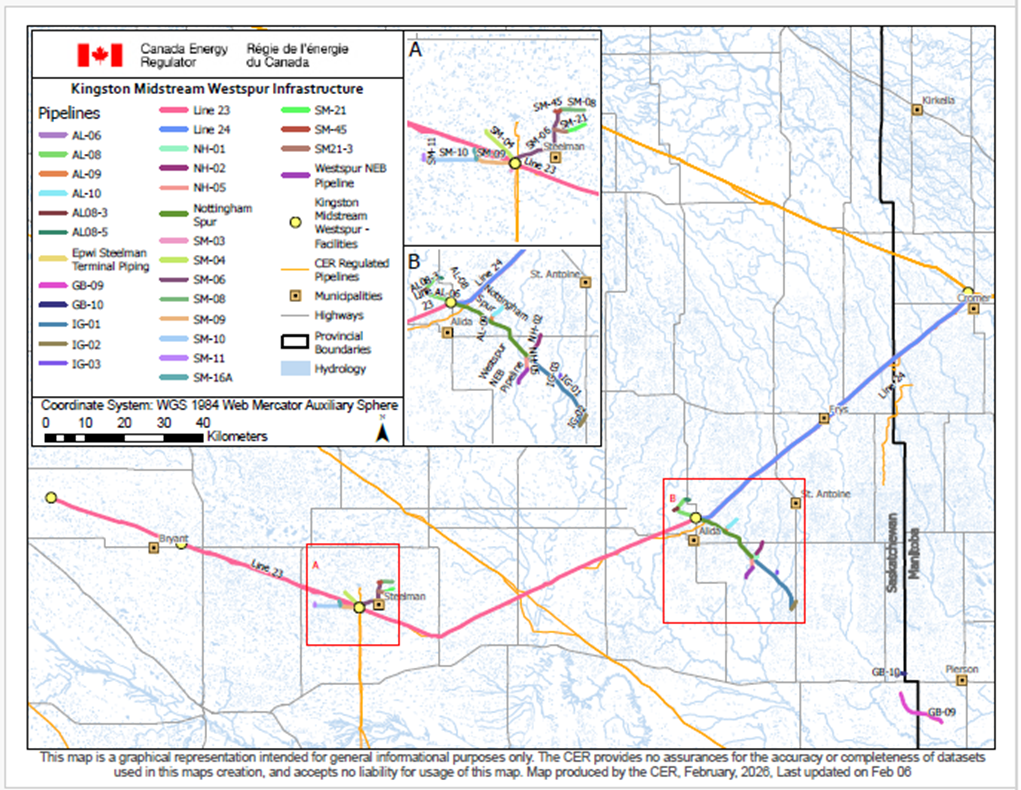 Map 1 - Kingston Midstream Westspur System
Map 2 - Kingston Midstream Virden System
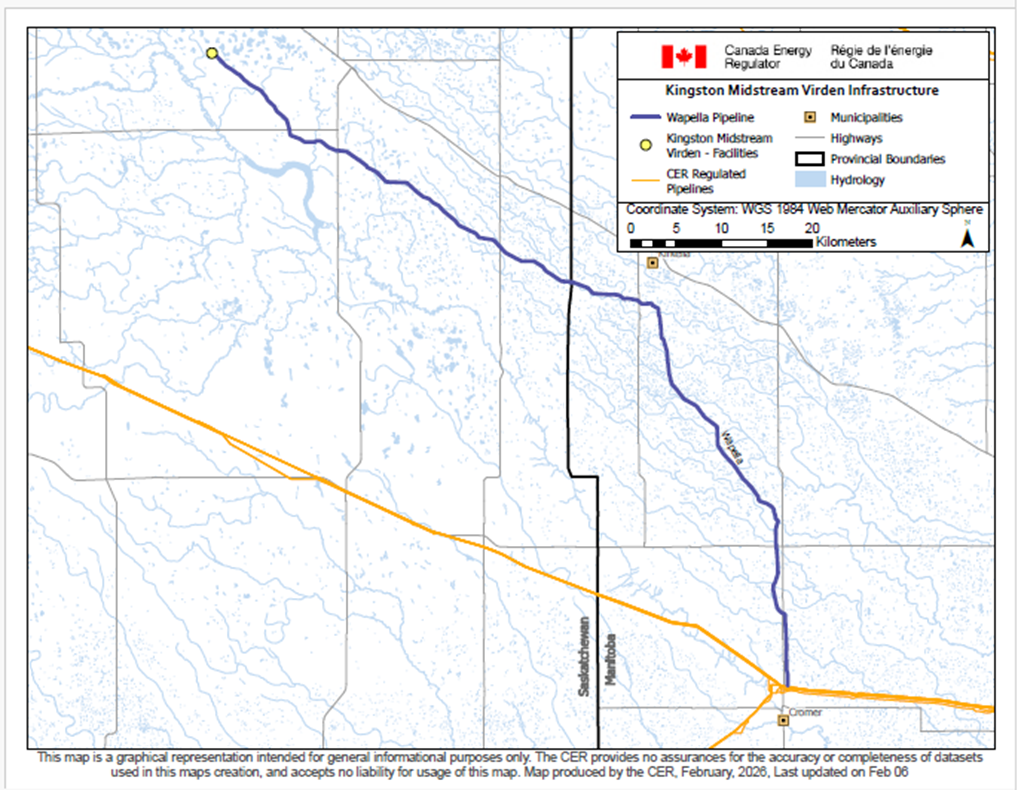 Map 2 - Kingston Midstream Virden System
2.0 Objectives and Scope
The objective of the Facility IM audit was to assess whether the company’s integrity management program as applied to facilities is adequate to avoid and control events which could potentially cause harm to people, property or the environment. The company’s IMP as applied to facilities was assessed in accordance with selected requirements of the OPR in the areas of:
- Management of Change;
- Hazard Identification;
- Risk Assessment;
- Controls;
- Hazard & Incident Reporting and Response; and
- Inspection and Monitoring
The table below outlines the audit topic, the lifecycle phases, and programs selected for this audit.
The scope of the audit included the IMP in use at the time of the audit as well as the processes, procedures, and work instructions that the company has implemented to enable it to implement integrity management at all its facilities throughout all lifecycles in accordance with the requirements of the OPR.
Note that while the focus was on the requirements and items listed in Table 2, if the audit had identified potential non-compliances to other requirements, the scope would have been expanded as necessary.
Table 1. Audit Scope
Audit Scope |
Details |
|---|---|
Audit Topic |
Facility Integrity Management |
Lifecycle Phases |
x Construction
x Operations
x Abandonment
|
Section 55 Programs |
x Integrity Management
|
Time Frame |
Open |
3.0 Methodology
An audit notification letter was sent to Kingston on 27 August 2025 advising the company of the CER’s plans to conduct an operational audit. The lead auditor provided the audit protocol and initial information request to the company on 3 September 2025 and followed up on 12 September 2025 with a meeting to discuss the plans and schedule for the audit. Document review began on 10 October 2025 and interviews were conducted between 13 November 2025 and 14 November 2025. Inspections were conducted between 18 November 2025 and 21 November 2025.
The auditors assessed compliance through:
- document reviews;
- record sampling;
- interviews; and
- inspections.
The purpose of the document review is to identify the suite of documents that are intended to meet the requirements related to the audit protocols. This review assesses whether the process is established. The auditors reviewed approximately 60 documents.
The interviews are conducted to determine the extent to which the processes have been implemented. If the responses are consistent with what is written, the auditors assume that the staff are aware of the process, and that it is being followed. The first set of interviews was conducted primarily with management and senior staff to discuss each of the audit protocols. The second set of interviews was organized based on positions, which ranged from office staff to field staff, where the auditors asked questions relating to all the audit protocols at each interview. The auditors conducted 4 interviews.
Records are also sampled to assess whether the process is implemented. Records are outputs, or products of a process. The presence of properly completed records suggests that the process is being used. The auditors sampled approximately 70 records.
The list of documents reviewed, records sampled, and the list of interviewees are retained on file with the CER.
For this audit, the audit team consisted of two auditors from the CER’s Audit Team and three engineers from the CER’s Pipeline Integrity Team.
It had been previously decided to have the audit coincide with an inspection of Kingston’s facilities carried out by the Pipeline Integrity Team. The inspection was carried out at Red Jacket Terminal, Midale Terminal, and Bryant Station, all located in Saskatchewan. The lead auditor for the audit joined the pipeline engineers for the inspections to verify certain aspects of the audit. In addition, an Inspection Officer from the CER’s Safety and Damage Prevention Team participated in the inspection.
At the facilities, the CER inspected various aspects of Kingston’s tanks, pipelines, pumps, sumps, manifolds, and containment facilities as they related to the audit. The inspection also included a review of records and additional discussions with facility technicians. Kingston advised the CER Inspectors that the Red Jacket Terminal was in a state of de-activation at the time of the inspection, along with the rest of the Virden system regulated by the CER.
The other two facilities inspected by the CER team, the Bryant Station and the Midale Terminal, are part of the Westspur system and were in an operational state at the time of the audit. The full details and results of the facility inspection are contained in the Inspection Officer’s report for Compliance Verification Activity (CVA) 2526-242 retained by the CER.
In accordance with the established CER audit process, the lead auditor shared a pre-closeout summary of the audit results on 4 December 2025. At that time, the company was given five business days to provide any additional documents or records to help resolve the identified gaps in information or compliance. After the pre-closeout meeting, the company provided additional information to assist the lead auditor in making their final assessment of compliance. The lead auditor conducted a final closeout meeting with the company on 19 December 2025.
4.0 Summary of Findings
The lead auditor has assigned a finding to each audit protocol. A finding can be either:
- No Issues Identified – No non-compliances were identified during the audit, based on the information provided by the company, and reviewed by the auditor within the context of the audit scope; or
- Non-compliant – The company has not demonstrated that it has met the legal requirements. A CAPA plan shall be developed and implemented to resolve the deficiency.
All findings are specific to the information assessed at the time of the audit, as related to the audit scope. The table below summarizes the findings. See Appendix 1: Audit Assessment for more information.
Table 2. Summary of Findings
| Audit Protocol (AP) Number | Regulation | Regulatory Reference | Topic | Finding Status | Finding Summary |
|---|---|---|---|---|---|
AP-01 |
OPR |
6.5(1)(i) |
Management of Change |
Non-compliant |
Kingston’s process document is missing a few key steps related to competency and training and communications. In addition, the acquisition of the Red Jacket Terminal, which constitutes a significant change for the company, has a number of hazards and risks which are not being managed effectively. |
AP-02 |
OPR |
6.5(1)(c) |
Hazard Identification |
Non-compliant |
Kingston did not provide a documented process that meets the CER’s requirement for the identification of facility hazards. In addition, several hazards at the Red Jacket facility had not been identified, and were not being managed. |
AP-03 |
OPR |
6.5(1)(e) |
Risk Assessment |
No Issues Identified |
Kingston demonstrated that it has met the expected outcomes for the assessment of risk. |
AP-04 |
OPR |
6.5(1)(f) |
Controls |
Non-compliant |
The review and update of Kingston’s control documents is not being carried out in accordance with the company’s own review cycle. Controls need to be monitored on a periodic basis and re-evaluated for changing circumstances. |
AP-05 |
OPR |
6.5(1)(r) |
Hazard & Incident Reporting and Response |
No Issues Identified |
Kingston demonstrated that it meets the CER’s expected outcomes for hazard and incident reporting and response. |
AP-06 |
OPR |
6.5(1)(u) |
Inspection and Monitoring |
Non-compliant |
Kingston did not demonstrate that it has an inspection and monitoring program at the Red Jacket Terminal that meets the CER’s expected outcomes. In addition, although the company is conducting internal audits of its IMP, it is not successfully seeing CAPAs through to completion in a timely manner. As such, the company’s methods for taking corrective and preventive actions when deficiencies are identified are inadequate and ineffective. |
5.0 Discussion
Kingston’s Safety and Loss Management System (SLMS) is its overarching management system consisting of 15 management system (MS) Elements providing oversight over seven Core Protection Programs (CPPs). The CER auditors noted that the seven CPPs are closely aligned with those required by Section 55 of the OPR.
Kingston’s SLMS indicates that its management system applies to all its affiliated entities, including:
- Kingston Midstream Westspur Limited;
- Kingston Midstream Virden Limited; and
- Other non-CER-Regulated entities.
The CPP most applicable to this audit is Kingston’s Integrity Management Program. The IMP indicates that it includes integrity management of its facilities and pipelines and that it is committed to achieving the corporate goals, which are contained in the SLMS Policy Statement.
According to the Policy Statement, the company is focused on achieving six goals, which are:
- Preventing damage to its pipeline assets;
- Preventing releases of hydrocarbon product and any other hazardous material;
- Preventing fatalities;
- Preventing injuries;
- Effectively responding to emergencies and incidents; and
- Continuous improvement.
Overall, when compared to the objectives and scope of the audit, the CER audit team found that Facility IM is incorporated into the IMP and together they are integrated into the SLMS. However, there were some issues identified as will be explained in the assessments in Appendix 1. Compared to the expected outcomes, deficiencies were identified in the areas of:
- Management of Change;
- Hazard Identification and Analysis;
- Controls; and
- Inspection and Monitoring.
The SLMS document has all the elements and programs that the CER would expect of a management system but does not show clear connections across and within programs. For example, the SLMS indicates that the Risk Management Process (RMP) is to be used for Hazard Identification, Risk Assessment and Control, but does not actually provide the document’s identification number (ID) or indicate where it can be found. Similarly, for integrity management, the SLMS indicates that people should refer to the Integrity Management Program document but again, does not provide the actual document ID number or where it can be found.
The same can be said of all MS Elements and CPPs within the SLMS; connections to process and program documents are often missing. A well-designed MS should list all the process and program documents that the MS provides governance over. In addition, each CPP should provide links to the SLMS processes it is following, reference its own processes and procedures, and link to other CPPs, where appropriate.
The CER auditors noted that there were a couple of positive aspects about Kingston’s SLMS and process documents. For example, the SLMS attempts to link every requirement of the OPR to its processes, procedures and activities. In addition, the auditors found that Kingston’s process documents meet many of the CER’s requirements for a process but in some cases were not being reviewed in accordance with the company’s required review frequency, and references to process documents and procedures, and cross-references to complimentary processes and procedures were often missing.
6.0 Conclusion
Out of a total of six regulatory requirements that were evaluated, two were classified as No issues identified, and four were found to be Non-compliant.
Kingston is required to resolve any deficiencies through the implementation of a CAPA plan. The CER will monitor and assess the implementation of this CAPA plan and issue an audit closeout letter upon its completion.
7.0 Next Steps
The company is required to resolve all non-compliant findings through the implementation of a CAPA plan. The next steps of the audit process are as follows:
- Within 30 calendar days of receiving the Final Audit Report, the company shall file with the CER, a CAPA plan that outlines how the non-compliant findings will be resolved.
- The CER will monitor and assess the implementation of the CAPA plan to confirm that it is completed:
- On a timely basis; and
- In a safe and secure manner that protects people, property, and the environment.
- Once implementation is completed, the CER will issue an audit closeout letter.
Appendix 1: Audit Assessment
AP-01 - Management of Change
Finding Status |
Non-compliant |
Regulation |
OPR |
Regulatory Reference |
6.5(1)(i) |
Regulatory Requirement |
A company shall, as part of its management system and the programs referred to in section 55, (i) establish and implement a process for identifying and managing any change that could affect safety, security or the protection of the environment, including any new hazard or risk, any change in a design, specification, standard or procedure and any change in the company’s organizational structure or the legal requirements applicable to the company. |
Expected Outcome |
It is expected that the company can demonstrate that:
|
Relevant Information Provided by the Company |
The list of documents and records reviewed by the CER related to this assessment is kept on file by the CER. Documents and records reviewed include:
The members of Kingston’s staff that were interviewed related to this item are listed below. The full list of interviews and interviewees is kept on file by the CER:
|
Finding Summary |
Kingston’s process document is missing a few key steps related to competency and training and communications. In addition, the acquisition of the Red Jacket Terminal, which constitutes a significant change for the company, has a number of hazards and risks which are not being managed effectively. |
Detailed Assessment
Management of Change (MOC) is one of the 15 MS Elements that make up Kingston’s SLMS. Within this element, there is a MOC process which describes the various types of changes within the company that are to be managed, and there is a MOC procedure which describes the steps to take to manage each type of change.
Each of the seven CPPs that come under the umbrella of the SLMS, including the IMP, are directed to use and follow the MOC process and its associated procedure.
The process for MOC describes what types of changes are to be managed following the MOC procedure and those that are to be managed through its project delivery program (PDP). The MOC process states that only changes with a value of less than $50,000.00 are to be managed through the MOC process. Changes above this value are to be managed through the PDP.
The MOC process and procedure are to be used to manage changes to:
- Facilities, equipment, and technology;
- Procedures or practices for design, construction, operations, maintenance and deactivation related activities;
- The SLMS as a result of identifying a new or different hazard or risk;
- Technical requirements, such as industry standards and recommended practices;
- The physical environment, such as adjacent land development; and
- Organizational structure or personnel affecting the SLMS.
The process is also used to manage changes related to the introduction of new legislation or regulations and changes to existing company standards, procedures or controls. The process for managing changes applies to the full lifecycle of the business, including design, construction, operation, maintenance, and abandonment of pipelines and infrastructure. In view of this, the MOC process document addresses the types of changes listed in the expected outcomes.
The document describes how to implement Kingston’s MOC process. It includes roles and responsibilities, training and competency requirements and the procedural steps for the various types of changes being managed. However, the CER auditors found some steps and associated responsibilities missing. Specifically, the documents do not identify who is responsible for:
- Identifying the competency and training requirements associated with a change;
- Organizing and delivering training; and
- Assessing if the change has achieved the desired outcome.
The process does identify the need to train staff on the MOC process itself, and it does have a step to evaluate the effectiveness of the MOC process, but nowhere does it identify the need for training associated with the change or the need to evaluate if the change was effective.
It lists the various forms and checklists that must be completed as part of any MOC and includes the management of temporary or emergency MOCs. Every MOC must also undergo a Health, Safety, and Environment (HSE) Assessment to evaluate the effects of the change on health, safety, and the environment and a Technical Hazard Assessment. Therefore, the process has defined methods to identify and manage changes with a value of under $50,000.00.
Kingston provided a couple of examples of MOCs having been completed or currently underway. One was for a change to the procedure for cleaning above-ground storage tanks (AST)s and another was related to the deactivation of a pump at one of its terminals.
Kingston provided the CER with records showing that it had provided its employees with MOC training, and records showing that training had been completed.
During formal interviews, Kingston employees demonstrated an understanding of the MOC process and procedure. During inspections in the field, Kingston personnel demonstrated knowledge of the MOC process and the procedure for identifying and proposing a change. The results from the interviews and record sampling suggest that the process is being implemented.
The auditors also noted that a recent change for Kingston was the acquisition of deactivated facilities as part of the Kingston Midstream Virden System. It is presumed that this change, based on dollar value, would have followed the requirements of the PDP. The change is one that could affect safety, security or the protection of the environment, and that includes new hazards and risks. During the inspection of the Red Jacket Terminal on 19 November 2025, a number of hazards and risks were found which, in the opinion of the CER inspection team, were not being managed effectively.
Deficiencies were noted in several areas. For example, even though the site is occasionally manned when being inspected, there were no functioning fire extinguishers on site. The ladder and scaffolding to the upper level of the condensate tanks had loose and corroded attachments. There was no high voltage warning sign on the access door to an electrical control room. Hazardous material was being stored on site in inadequate containment facilities with missing hazardous material warning signs.
Overall, Kingston did not demonstrate that it meets the expected outcomes for the management of change. The process document is missing a few key steps related to competency and training and communications. In addition, the acquisition of the Red Jacket Terminal, which constitutes a significant change for the company, has a number of hazards and risks which are not being managed effectively.
AP-02 Hazard Identification
Finding Status |
Non-compliant |
Regulation |
OPR |
Regulatory Reference |
Paragraph 6.5(1)(c) |
Regulatory Requirement |
A company shall, as part of its management system and the programs referred to in section 55, (c) establish and implement a process for identifying and analyzing all hazards and potential hazards. |
Expected Outcome |
It is expected that the company can demonstrate that:
|
Relevant Information Provided by the Company |
The list of documents and records reviewed by the CER related to this assessment is kept on file by the CER. Documents and records reviewed include:
The members of Kingston’s staff that were interviewed related to this item are listed below. The full list of interviews and interviewees is kept on file by the CER:
|
Finding Summary |
Kingston did not demonstrate that it has met all the expected outcomes for hazard identification and analysis. Kingston did not provide a documented process that meets the CER’s requirement for the identification of facility hazards. In addition, several hazards at the Red Jacket facility had not been identified and were not being managed. |
Detailed Assessment
Kingston’s SLMS manual consists of 15 MS Elements which support the company’s 8 CPPs. The IMP is one of the core protection programs that applies to both pipelines and facilities.
Risk Management is an Element within the SLMS and supports the IMP.
When the CER auditors asked Kingston to provide its process for hazard identification, the company provided its RMP. As stated in the document, there are six (6) steps involved in the management of risk, which are:
- Hazard Identification: Identify and inventory threats and hazards.
- Risk Assessment: Identify any vulnerabilities and estimate and evaluate the associated risks.
- Risk Controls: Identify existing or new risk controls.
- Documentation: Document and implement the risk control processes.
- Communication: Make employees and contractors aware of threats, hazards and risk controls.
- Annual Review: Review the effectiveness of the risk controls and identify new hazards.
Kingston’s process for risk management states that hazard identification is the first critical step but does not provide a link to any procedure to be used to perform this activity.
When the auditors advised Kingston that they were not seeing where the company has a hazard identification procedure, Kingston provided the CER with a procedure titled “Observation and Hazard ID”.
The CER reviewed the document and found that it is to be used for the identification of health and safety hazards. Its stated purpose is to conduct behaviour-based safety and ad hoc identification of hazards in the workplace and at home. However, the document states that, for the assessment of hazards present and potential hazards present at a work site or within the realms of a work plan, the Hazard Assessment and Control Process is to be used. This document had not been provided to the CER. Whether this document would have met the CER’s requirement for the identification of facility hazards is not known. By then, the audit was wrapping up and the time allocated for document review had passed. It was noted though that neither of the two documents mentioned in this paragraph are referenced in the RMP.
The process for risk management is owned by the Risk Advisor responsible for overseeing the development and implementation of a risk management plan. The process defines high-level roles and responsibilities, competency and training requirements, procedural steps, and states that it applies to all CPPs, including the IMP.
Within the risk management document, a hazard is defined as a condition or event that could cause a failure or damage, or any source that has the potential to cause harm to people, property, or the environment. It may also be referred to as a threat.
Aside from the fact that Kingston did not provide the CER with its procedure for hazard identification, the identification of hazards may occur through various activities such as inspections, monitoring activities, audits, assessments, brainstorming, annual review of the risk register, hazard and operability studies, pre-job safety meetings, and incident reporting. Any Kingston personnel may identify an opportunity to conduct a hazard and risk assessment.
Hazard identification is to be completed for all hazards and potential hazards for the entire lifecycle of the pipeline. Hazards identified by the CPPs are to be reviewed and updated regularly and recorded in Kingston’s register of hazards and risks. This register lists all the company’s hazards and threats, evaluates the inherent risk (likelihood of occurrence and consequences) before controls are implemented and residual risk (likelihood and consequences) after controls are put in place. Kingston advised the CER that the risk register is reviewed each year and provided the audit team with evidence that this is done.
If a hazard has been identified and has the potential to be significant, the first step is a phone call to the worker’s supervisor. It could be assigned a hazard identification number (Hazard ID), with the potential for corrective action. There is an assessment of potential consequences and, if deemed high, the situation is quickly escalated. From there, all Hazard IDs are sent to leaders for their review and are addressed within 7 days.
All Hazard IDs and Task Observations are reviewed and trended. Monthly reports are compiled on a sample of the leader-approved ones, which are then reviewed for quality through a leadership and incident review committee (LIRC). After implementing this process, the quality of reporting improved dramatically.
Appendix D of the IMP describes the loss of containment hazards / threats and associated controls for facilities. However, this list of hazards was missing some of the facility hazards that one would expect to be included in a list of hazards for a facility. For example, manufacturing defects and the use of improper materials were not identified as potential hazards or threats.
Hazards can also be identified and reported through Kingston’s:
- Contingency Planning Process;
- Incident Management Process;
- Process Hazard Assessment Process; and the
- Internal and External Corrosion Management Process.
Kingston’s Contingency Planning Process is used to identify potential hazards (or abnormal events) that may occur during construction, operation, maintenance, abandonment, or during emergency procedures. Once identified, the company analyzes the threat that it poses (i.e., the likelihood of it occurring and the consequences that could happen) and develops controls. The process document defines roles and responsibilities, training and competency requirements, and lists the process steps. It also indicates that it is to be used by CPP owners.
Kingston’s Incident Management Process is used to communicate hazardous conditions so the company can take appropriate steps to avoid injury. The company provided the CER with evidence of awareness training that it provided for its staff. The training explained the difference between hazards, near misses, and incidents and how to recognize each. The training covered what to report, how to report, and the immediate steps to take.
Kingston provided the CER with the results of a Process Hazard Assessment (PHA) conducted by a third party at one of its terminals in 2024. The PHA included participation of Kingston personnel and was conducted to identify potential hazards or operability issues. The PHA report led to several recommended actions, which the company was able to demonstrate had been completed.
Kingston’s Internal and External Corrosion Management Processes are used to assess and analyze the threat that internal and external corrosion poses to the integrity of pipelines, tanks and pressure vessels. The two processes provide a means of monitoring and analyzing the results of inspections, and determining the need for, and type of, control measures.
Hazard identification is to be done at Kingston for facilities integrity, followed through with action items and then closed out. This was demonstrated by Kingston through some of the documents, records, and examples. For example, Kingston provided the CER with documentation associated with a piping misalignment hazard that had been identified during an inspection at one of its terminals in mid-November 2024. They also provided evidence of the corrective action taken.
However, during an inspection of Kingston’s deactivated Red Jacket Terminal, several hazards were identified by the CER Inspectors that had not been identified by Kingston staff. As a result, the hazards had not been analyzed and were not being controlled. For example, during the roof inspection of above ground storage tanks, the CER inspectors observed that the access walkway was unstable and the working platform housing the leak detection system had corroded flange connections and had loose nuts and bolts. In addition, none of the fire extinguishers at the facility were in a functioning state or had been inspected for years. A complete list of the deficiencies noted during the inspection is contained in the CER’s inspection report for CVA2526-242, retained on file with the CER.
In summary, Kingston did not demonstrate that it has met all the expected outcomes for hazard identification and analysis. Kingston did not provide a documented process that meets the CER’s requirement for the identification of facility hazards. In addition, several hazards at the Red Jacket facility had not been identified and were not being managed.
AP-03 Risk Assessment
Finding Status |
No issues identified |
Regulation |
OPR |
Regulatory Reference |
6.5(1)(e) |
Regulatory Requirement |
A company shall, as part of its management system and the programs referred to in section 55, (e) establish and implement a process for evaluating the risks associated with the identified hazards and potential hazards, including the risks related to normal and abnormal operating conditions. |
Expected Outcome |
It is expected that the company can demonstrate that:
|
Relevant Information Provided by the Company |
The list of documents and records reviewed by the CER related to this assessment is kept on file by the CER. Documents and records reviewed include:
The members of Kingston’s staff that were interviewed related to this item are listed below. The full list of interviews and interviewees is kept on file by the CER:
|
Finding Summary |
Kingston demonstrated that it has met the expected outcomes for the assessment of risk. |
Detailed Assessment
The assessment of risk is one of the components of the process for the management of risk. Its stated purpose is to assess the identified hazards and risks and select and implement appropriate controls.
The process for the management of risk is directly linked to Kingston’s SLMS Policy Statement. Within the policy, the company has stated its commitment to hazard identification and the assessment and control of risks while ensuring the safety and security of the public, employees, pipeline systems, property, and the environment while complying with regulatory and legal requirements.
The process for the management of risk applies to hazards and risks that could affect the safety and security of people and property or the protection of the environment throughout the lifecycle of the pipeline system, including its facilities.
The process document is owned by the Risk Advisor who oversees the development and implementation of the risk management plan. The document states that the process applies to all CPPs. It defines roles and responsibilities, and competency and training requirements for the risk assessment aspect of the process. The document goes on to describe the steps for hazard identification, hazard assessment, risk analysis, risk control and monitoring and review of the hazard inventory and risk registry.
Section 5.2 of the RMP describes four steps involved in completing a risk assessment:
- Frequency Analysis: For a qualitative estimate, risk matrix frequency descriptions may be used. In a quantitative assessment, accurate probability data based on the information gathered may be applied to analyze each hazard.
- Consequence Analysis: The most credible outcome scenario(s) from the Hazard Assessment should be considered to determine the severity of consequences.
- Risk Estimation: Once the frequency and consequence analysis for the outcome scenario has been determined, the results shall be combined to estimate the inherent risk. The results of the assessment are then assigned to one of four risk levels: Low, Medium, High, or Very High.
- Risk Evaluations: For risks evaluated as Medium, High, or Very High, in accordance with Kingston’s Risk Acceptance Criteria, identification of risk controls is required.
Risk estimation with no controls in place is called the inherent risk. Risk estimation once controls are in place is called the residual risk.
Kingston’s register of hazards and risks contains fields for Hazard ID, likelihood, consequences, inherent risk level, preventive and monitoring activities, residual risk level, and the risk action plan for each identified hazard. The register prompts the question of whether controls are in place for the individual hazards that have been identified.
Another process that Kingston uses to manage risks is its process for coordinating and controlling work. It uses this process to ensure that the planning of work activities results in the efficient execution of field activities while managing hazards and risks and maintaining a safe and environmentally responsible work site.
Kingston also has a procedure for conducting engineering assessments which analyzes and documents the effect of relevant variables upon the fitness for service or integrity of Kingston’s pipeline system. The need for an engineering assessment can be identified by anyone in the company. The document identifies the roles and responsibilities and the training and competency requirements and the procedural steps to carry one out. Engineering assessments must be reviewed by a professional member or licensee of the responsible engineering regulatory body in the province where the assessment is applicable. This procedure was first introduced in 2020.
Kingston uses its process for contingency planning to analyze threats that could potentially occur during construction, operation, maintenance, abandonment, or during emergency procedures. This, in turn, leads to the development of appropriate controls. This type of planning is considered a reactive component of the risk assessment process. The risk assessment process identifies, analyzes and prioritizes potential risks. Contingency planning then uses this information to develop plans for the higher-priority risks that could occur despite preventive efforts.
Risk assessments provide important data for the company’s inspection and monitoring programs. In turn, the outputs of inspection and monitoring activities are used to validate and update the risk assessment process, thereby forming a continuous cycle of identification, control, and monitoring. The risk assessment process determines which areas need to be inspected, while inspections provide data that is used to evaluate the effectiveness of controls and update the risk assessment. To that end, Kingston provided the CER with its scheduled inspection lists for its ASTs, sump tanks and pressure vessels.
Kingston provided the CER with an example of a hazard that had been identified and its corresponding corrective action. The hazard was associated with the tank base for an AST. The hazard was identified in November 2024, corrective action was taken in December 2024, and the CAPA signed off in April 2025.
Kingston’s process document provides definitions, roles and responsibilities, competency and training requirements and the steps for the development of a contingency planning process. The document shows management signoff, has a revision history and a control registry and a section indicating how often the document is to be reviewed and by whom.
Kingston also provided the CER auditors with its Facility Piping Program (FPP) Process. The FPP acknowledges that facilities have unique loss of containment hazards and controls that require risk mitigation strategies. The FPP provides Kingston with the framework to manage and adjust integrity activities associated with these risks.
In summary Kingston demonstrated that it has met the expected outcomes for the assessment of risk.
AP-04 Controls
Finding Status |
Non-compliant |
Regulation |
OPR |
Regulatory Reference |
6.5(1)(f) |
Regulatory Requirement |
A company shall, as part of its management system and the programs referred to in section 55, (f) establish and implement a process for developing and implementing controls to prevent, manage and mitigate the identified hazards, potential hazards and the risks and for communicating those controls to anyone who is exposed to the risks. |
Expected Outcome |
It is expected that the company can demonstrate:
|
Relevant Information Provided by the Company |
The list of documents and records reviewed by the CER related to this assessment is kept on file by the CER. Documents and records reviewed include:
The members of Kingston’s staff that were interviewed related to this item are listed below. The full list of interviews and interviewees is kept on file by the CER:
|
Finding Summary |
Kingston did not meet the expected outcomes for this regulatory requirement. The review and update of Kingston’s control documents is not being carried out in accordance with the company’s own review cycle. Controls need to be monitored on a periodic basis and re-evaluated for changing circumstances. |
Detailed Assessment
One of the stated purposes of Kingston’s process for the management of risk is to select and implement appropriate controls to deal with the hazards and risks that have been identified and analyzed.
Section 5.3 of the RMP describes the three main steps involved in the identification and development of risk controls:
- Selection: Includes the definition of risk control and the hierarchy of risk control options from avoiding or eliminating the risk to various options for modifying the risk.
- Implementation: Includes developing supplemental processes, use of personal protective equipment, awareness communications, and presentations.
- Monitoring: Once implemented, risk controls are monitored for adequacy and effectiveness. This includes identifying new hazards and risks, improving the quality of information on existing hazards and risks, re-evaluating existing hazards and risks, and assessing the overall effectiveness of controls in place.
Appendix B of the process document contains examples of risk controls. Risk controls may be identified and developed at any time throughout the lifecycle of a Kingston asset because of quality assurance program activities, changes in legal requirements, or events.
Appendix D of the IMP shows the loss of containment hazards / threats and their associated controls for facilities. The controls include the program, subprogram, procedure, or engineering standard that is aimed at preventing, monitoring, or mitigating the identified hazard or threat. However, this list of hazards was missing some of the facility hazards that one would expect to be included in a list of hazards for a facility, such as manufacturing defects or use of improper materials.
Additional risk controls for reducing the failure and damage potentials associated with imperfections, and managed as part of the facilities integrity management subprograms, are described in Appendix G of the IMP.
Some of the controls that Kingston has in place related to the management of facility integrity include:
- Management of Change Process and Procedure
- Risk Management Process
- Inspection Procedures and Reports for Piping, Tanks, Sumps, and Pressure Vessels
- Tank/Vessel/Sump Inspection Schedules
- Contingency Planning for Abnormal Events Process
- Communication Process
- Incident Management Process
- Corrective and Preventive Action Process
- Annual Resource Evaluation Process
- Annual Management Review Process and Report
- Operation and Maintenance Manual (OMM)
Another control that Kingston has established and implemented for its IMP is its process for coordinating and controlling work which is used to ensure employees and other personnel working on company sites or facilities are aware of the impact of their activities on others.
Kingston uses its engineering assessment procedure and its internal and external corrosion management processes to identify hazards and threats to the integrity of Kingston’s facilities, assess the risk and develop controls. Examples of controls include the pigging procedure and non-destructive examinations.
Processes and procedures are some of the controls that Kingston has established and implemented. As such, it is necessary to review these controls on a regular basis and make sure they are up to date. During this audit, the CER audit team found that there were several documents provided by Kingston in which the review cycle was exceeded. For example, according to Kingston’s own review cycle, the IMP is to be reviewed every two years, but this is not being followed. According to Kingston’s own document, the OMM is to be reviewed annually, but at the time of the audit, the review was almost a year overdue.
Overall, CER auditors found that Kingston did not meet the expected outcomes for this regulatory requirement. The review and update of Kingston’s control documents is not being carried out in accordance with the company’s own review cycle. Controls need to be monitored on a periodic basis and re-evaluated for changing circumstances.
AP-05 Hazard & Incident Reporting and Response
Finding Status |
No issues identified |
Regulation |
OPR |
Regulatory Reference |
Paragraph 6.5(1)(r) |
Regulatory Requirement |
A company shall, as part of its management system and the programs referred to in section 55, (r) establish and implement a process for the internal reporting of hazards, potential hazards, incidents and near-misses and for taking corrective and preventive actions, including the steps to manage imminent hazards. |
Expected Outcome |
It is expected that the company can demonstrate that:
|
Relevant Information Provided by the Company |
The list of documents and records reviewed by the CER related to this assessment is kept on file by the CER. Documents and records reviewed include:
The members of Kingston’s staff that were interviewed related to this item are listed below. The full list of interviews and interviewees is kept on file by the CER:
|
Finding Summary |
Kingston demonstrated that it meets the CER’s expected outcomes for hazard and incident reporting and response. |
Detailed Assessment
Kingston employs a number of processes and procedures to identify and report hazards. Incidents are reported using Kingson’s process for incident management, which describes how to identify and manage risks including near misses and incidents.
The process document includes its purpose and scope, ownership, roles and responsibilities, competency and training requirements, the process steps for responding to, and reporting, an incident as well as the steps for an investigation and follow up corrective action. The document has a three-year review cycle which appears to be followed by Kingston and shows its revision history.
It includes the reporting requirements for employees and contractors and has a detailed section for the regulatory reporting requirements for various types of incidents.
Within the process for incident management, Kingston has defined the terms ‘Near Miss’ and ‘Incident’ and has a system to rank incidents to differentiate how the various levels of incidents are to be managed.
A near miss is defined as an action that occurred that did not cause, but narrowly missed causing, loss, injury or damage to a person, equipment, the environment or Kingston’s corporate reputation.
An incident is defined as any action that causes a loss to a person, the environment, a Kingston asset or property and/or reputation of Kingston.
Kingston’s Incident Management Process is used to communicate hazardous conditions so the company can take appropriate steps to avoid injury. The company provided the CER with evidence of awareness training that it provided for its staff. The training explained the difference between hazards, near misses, and incidents and how to recognize each. The training covered what to report, how to report, and the immediate steps to take.
The severity of loss is ranked from:
- Class I (minor)
- Class II (low)
- Class III (medium)
- Class IV (high)
- Class V (very high).
The document describes how various types of incidents are to be reported and handled. It describes the time within which a report must be made and to whom, the level and type of investigation to be conducted and by whom. The document also includes a process for evaluating the severity of incidents. The most severe incidents must be reported immediately to the Chief Executive Officer and the Health Safety and Environment Committee or within one hour and will require a formal root cause analysis and investigation.
The steps of the incident management process include:
- Notification;
- Reporting;
- Classification;
- Investigation;
- Training and communication;
- Closure through corrective and preventive actions;
- Verification and assurance of completion.
According to the document, the incident management process allows Kingston to:
- Plan to allocate resources and provide effective incident response and incident management within its hazard inventory and risk register updates;
- Understand the types of Events that are taking place and learn from the actual and potential loss;
- Communicate hazardous conditions to workers so that they can take steps to avoid injury and/or loss;
- Assess Kingston’s performance, including its peers, to measure progress and future improvement opportunities; and
- Identify continuous improvement opportunities based on the Kingston Hazard inventory and mitigated risk register.
When asked by the CER auditors about how the company deals with imminent hazards, Kingston stated that it follows the same process but accelerates response by relaying the issue up the chain of command by telephone to convey the need for an immediate response.
During formal interviews, Kingston provided the CER auditors with an example of how a reported incident led to a change within the company.
Training is provided to staff on Kingston’s process for incident management and it includes refresher training on the definitions of a Hazard ID, Incident, and Near Miss. Separate training in incident management is provided to Kingston leadership. Kingston provided the audit team with evidence of training its personnel.
Kingston has its LIRC whose role is to ensure all incidents and near misses are reviewed by senior management before an incident is closed. The committee reviews incidents to ensure they were properly characterized for risk, causal analysis from investigations and the timely and clearly defined corrective and preventive actions. Any incident that requires a causal analysis or formal root cause analysis requires the LIRC to review and approve the final report. The LIRC consists of senior managers at the VP level including representation from Operations, Engineering, Legal, Regulatory, HSE, Land, and External Relations. The LIRC is to meet quarterly to review all Kingston investigation reports and, where appropriate, approve for implementation, provide modifications or reject the report. Kingston provided the CER audit team with the procedure associated with the activities of this committee.
In summary, Kingston demonstrated that it meets the CER’s expected outcomes for hazard and incident reporting and response.
AP-06 Inspection and Monitoring
Finding Status |
Non-compliant |
Regulation |
OPR |
Regulatory Reference |
Paragraph 6.5(1)(u) |
Regulatory Requirement |
A company shall, as part of its management system and the programs referred to in section 55, (u) establish and implement a process for inspecting and monitoring the company’s activities and facilities to evaluate the adequacy and effectiveness of the programs referred to in section 55 and for taking corrective and preventive actions if deficiencies are identified. |
Expected Outcome |
It is expected that the company can demonstrate that:
|
Relevant Information Provided by the Company |
The list of documents and records reviewed by the CER related to this assessment is kept on file by the CER. The documents and records reviewed include:
The members of Kingston’s staff that were interviewed related to this item are listed below. The full list of interviews and interviewees is kept on file by the CER:
|
Finding Summary |
Kingston did not demonstrate that it has an inspection and monitoring program at the Red Jacket Terminal that meets the CER’s expected outcomes. In addition, although the company is conducting internal audits of its IMP, it is not successfully seeing CAPAs through to completion in a timely manner. As such, the company’s methods for taking corrective and preventive actions when deficiencies are identified are inadequate and ineffective. |
Detailed Assessment
The inspection and monitoring of Kingston’s CPPs is governed by the Kingston’s SLMS Inspection and Monitoring Process. The process is to be followed by each CPP to develop an inspection and monitoring program which is to consist of the following steps:
- Determine What Needs to Be Examined
- Determine How Often It Needs to be Examined
- Complete the Inspection and Monitoring Activities
- Identify and Record Findings and Issues
- Review and Understand the Findings
- Move Into the CAPA Process
Inspections and monitoring activities are carried out under the umbrella of Kingston’s Quality Assurance Program which consists of several sub-processes, which include:
- Inspections and Monitoring Process
- Supervision of Work Process
- Audit Process
- SLMS Evaluation Process
- CAPA Process
- Annual Management Review Process
Section 6 of the IMP states that Kingston’s tank, pressure vessel, and buried sump assets are subject to ‘time-based inspection’ programs based on current American Petroleum Institute Inspection Standards and the inspection intervals as defined by regulatory bodies. For facility piping hazard identification, Kingston uses comparative methods and for small diameter piping / auxiliary piping, a semi-quantitative approach to risk is used.
Appendix E of the IMP describes the monitoring, mitigation, and inspection activities to be carried out for each asset type, including facilities, along with the associated risk assessment and prioritization approach.
The IMP identifies four subprograms in place for facilities integrity management along with a description of the program:
- Aboveground Storage Tank: Monitors for threats such as corrosion and tank distortions
- Sump Tank: Monitoring and routine maintenance such as confirmation of containment, leak tests, and repair work
- Pressure Vessel: Inspection and repair using time-based re-inspection intervals to plan repair or mitigation activities and further inspections
- Facility Piping: Monitoring the asset condition and threats by conducting scheduled assessments
The FPP is a subprogram within the IMP. Its stated purpose is to provide a framework to consistently manage and adjust integrity activities to address risks to the integrity of its metallic pipelines and their associated pressure relieving devices.
Kingston’s Facility Piping Risk Based Inspection (RBI) Procedure is one of the procedures that make up the FPP process. It provides a framework for the risk-based inspection process for Kingston’s facility piping. It is meant to be used by integrity personnel who are responsible for planning, executing and the continuous improvement of facility piping risk-based inspections.
Kingston provided the CER with examples of facility inspections, which included:
- Facility Piping RBI Database (Westspur)
- 2025 AST Inspection Due List
- 2025 AST Deficiency Tracking Sheet
- 2025 Sump Tank Inspection Due List
The 2025 AST Deficiencies List shows items requiring action and the status of that action.
Section 14.0 of the IMP provides examples of abnormal conditions encountered by the IMP subprograms such as cathodic protection interference, measured alternating current potential greater than 15 Volts, stuck pigs, and high corrosion growth rates.
The company also provided the CER with its RBI procedure and its RBI database for Westspur. According to the document, the intent of the procedure is to deliver comprehensive inspection management and process monitoring plans for all in-service facility piping. It supports the Facility Piping Integrity Program Procedure. It defines roles and responsibilities, and training and competency requirements. It provides process steps for the RBI System. Kingston states that it uses a semi-qualitative assessment process. The company also provided the CER with examples of the types of forms it uses to conduct external inspections on facility piping, buried piping, and risers.
The RBI Assessment is completed using an algorithm to calculate the relative risk of each piping section and generates specific inspection plans to be used to execute inspections. The RBI process takes into consideration several different factors to arrive at a probability of failure. According to the document, the hazards present in the RBI assessment could include, but are not limited to:
- Internal corrosion (Thinning)
- External corrosion
- Mechanical fatigue
- Mechanical impacts
- Brittle fracture
- Stress corrosion cracking
- Incorrect operations
- Manufacturing defects
According to the company, for piping within the facility which cannot be inspected, a visual assessment is to be done along with an assessment of dead legs and the potential for vibration issues to affect integrity. A risk assessment is then completed, followed by non-destructive examination. All the data and information collected, together with drawings of the facilities, are reviewed to determine the inspection strategy and the risk-based re-inspection frequency. Also, the Operations Group carry out daily rounds, which is another opportunity for data and information to be collected.
Kingston’s internal and external corrosion management processes are used to assess the risk that corrosion poses to the integrity of Kingston’s assets and determine the need for appropriate control measures. Kingston provided several associated records to demonstrate that the process has been implemented.
Kingston provided the CER with examples of corrective actions taken because of its inspections. These included the need for additional unbudgeted inspections of facility piping and unbudgeted repairs to facility piping.
The inspection and monitoring process gathers critical inputs that are needed to make informed decisions during the company’s Annual Management Review (AMR). Kingston provided the auditors with a copy of its 2025 AMR report, signed by the Accountable Officer (AO).
Other inspection and monitoring activities carried out by Kingston included audits and monitoring of the achievement of its key performance indicators (KPIs). Kingston provided the audit team with its schedule of audits for each CPP and the schedule for its AMR. The AMR included a summary of the achievement of KPIs for each CPP, new or adjusted targets for the coming year, and an accounting for the resource requirements for the next year.
The AMR included all the information required by subsection 6.6(1) of the OPR. The report included reports from all the CPP owners which is an indication that the AO has been briefed on the status of the various CPP efforts toward the achievement of the corporate goals. The AMR also provided the AO with information on the adequacy and effectiveness of Kingston’s SLMS and the status of any deficiencies that have been identified.
Regarding audits, the CER found some repeat deficiencies to those identified by a 2023 internal audit of its IMP. It was also found that a number of CAPAs from that audit remain unresolved.
During field inspections, the CER inspection officers inspected the Red Jacket Terminal. At the time of the inspection, Kingston advised the CER that the piping and associated equipment at the Red Jacket Terminal are being maintained in a deactivated state. To the CER, this implies that the company has the intention of bringing the equipment back into operation at some point. The CER inspection team was advised by Kingston staff that the facilities were acquired by Kingston in 2022, and since then there have been no equipment inspections at the facility. In addition, periodic site inspections being carried out at the facility are not being recorded. Overall, it appears that there is a lack of inspection and monitoring activities at the site to ensure the integrity of the CER-regulated facilities is being maintained. The full list of deficiencies identified by the inspection team is contained in the inspection report for CVA2526-242 retained on file with the CER.
In summary, Kingston did not demonstrate that it has an inspection and monitoring program at the Red Jacket Terminal that meets the CER’s expected outcomes. In addition, although the company is conducting internal audits of its IMP, it is not successfully seeing CAPAs through to completion in a timely manner. As such, the company’s methods for taking corrective and preventive actions when deficiencies are identified are inadequate and ineffective.
Appendix 2: Terms and Abbreviations
For a set of general definitions applicable to all operational audits, please see Appendix I of the CER Management System Requirements and CER Management System Audit Guide found on www.cer-rec.gc.ca.
Term or Abbreviation |
Definition |
|---|---|
AMR |
Annual Management Review |
AO |
Accountable Officer |
AST |
Above Ground Storage Tank |
CAPA |
Corrective and Preventive Action |
CER |
Canada Energy Regulator |
CER Act |
Canadian Energy Regulator Act (S.C. 2019, c. 28, s. 10) |
CPP |
Core Protection Program |
CVA |
Compliance Verification Activity |
Facility IM |
Facility Integrity Management |
FPP |
Facility Piping Program |
HSE |
Health, Safety and Environment |
IMP |
Integrity Management Program |
Kingston |
Kingston Midstream Westspur Limited, Kingston Midstream Virden Limited |
LIRC |
Leadership Incident Review Committee |
MOC |
Management of Change |
MS |
Management System |
OMM |
Operation and Maintenance Manual |
OPR |
Canadian Energy Regulator Onshore Pipeline Regulations (SOR/99-294) |
PHA |
Process Hazard Assessment |
RA |
Risk Assessment |
RBI |
Risk Based Inspection |
RMP |
Risk Management Process |
SLMS |
Safety and Loss Management System |
The company |
Kingston Midstream Westspur Limited, Kingston Midstream Virden Limited |
Westspur |
Kingston Midstream Westspur Limited |
Virden |
Kingston Midstream Virden Limited |
- Date modified: